

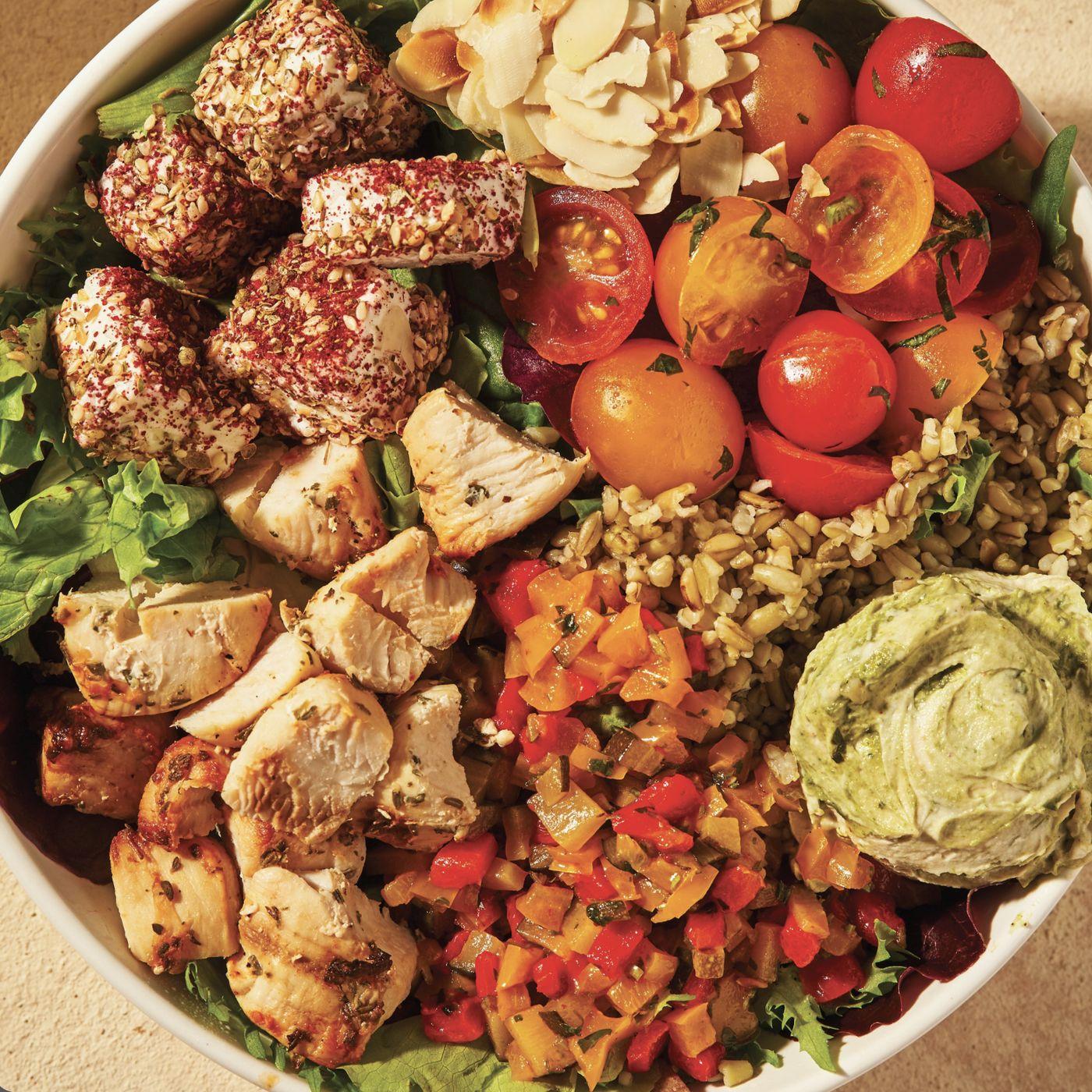
Menu architecture
Category mix, hero dishes, range breadth and guest occasion fit.
Menu development · Dubai & UAE
Edibles develops and improves menus for restaurants, cafés, delivery brands and hospitality operators across the UAE. We combine culinary creativity with ingredient costing, prep methods, portion control and kitchen practicality, so a promising dish can become a repeatable product.
What we do
The tasting matters. So do yield, waste, delivery hold time and what happens when a different cook is on the station. We develop recipes alongside their operating requirements, and we document the decisions a kitchen needs to reproduce them.
Category mix, hero dishes, range breadth and guest occasion fit.
Prototype dishes and refinements through structured tastings and feedback.
Ingredient specifications, yield assumptions, recipe cost and margin considerations.
Quantities, method, preparation, portion and plating guidance for consistent execution.
Availability of ingredients, suitable alternatives and the practical load on the kitchen.
Chef-to-team handover, trial service and refinements where included in the brief.
From the kitchen
The food comes first. These photographs show dishes developed and plated by members of the culinary team.
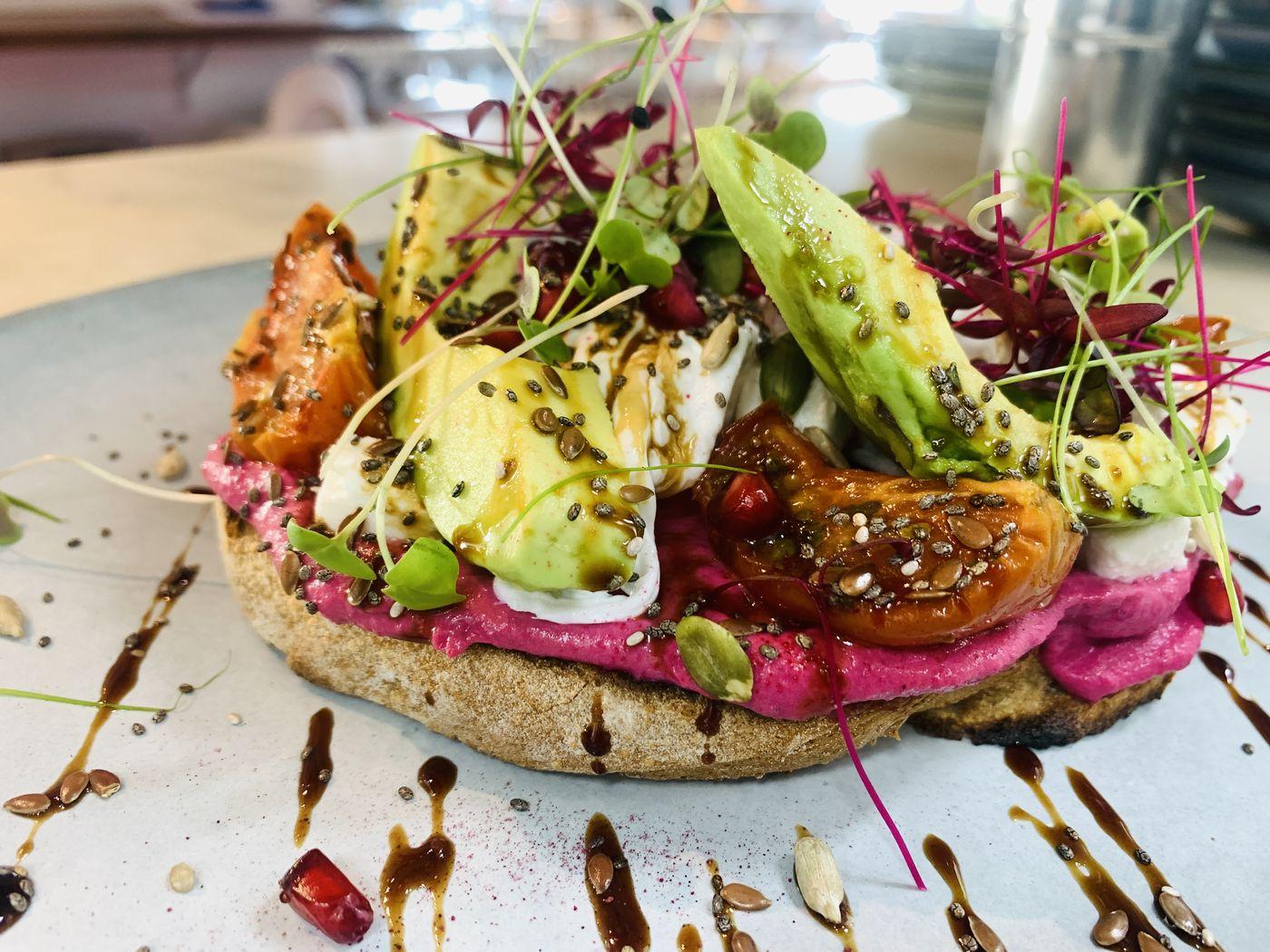
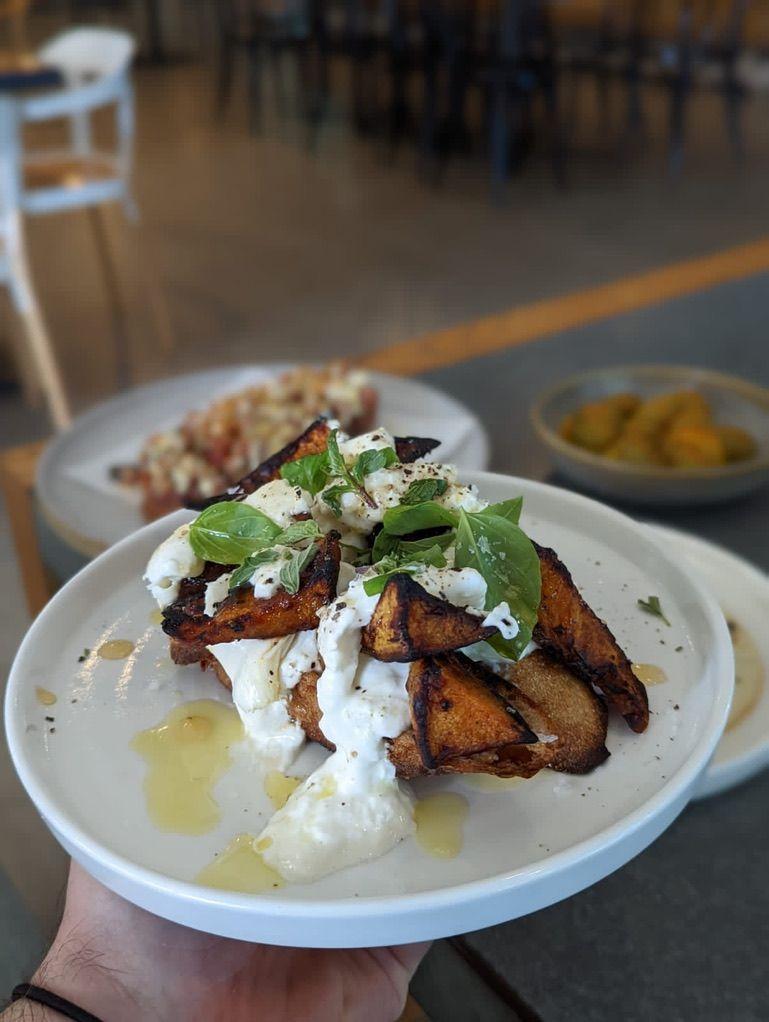
Portfolio photographs illustrate the team’s culinary work; they are not presented as outcomes of the specific service described on this page.
Menu economics framework
Before changing a menu, we assess sales mix and food cost together. The four categories below guide discussion; assigning actual dishes requires reliable item-level sales and cost data.
Keep the items guests love and make them easy to find.
Review recipes, yields and portion costs without losing their appeal.
Test positioning, descriptions and presentation before deciding their role.
Assess whether to change, replace or retire the item.
Methodology illustration based on Edibles’ menu improvement approach. It is not a chart of any particular client’s sales or profitability.
Who this is for
How we work
Understand your guest, existing menu, sales or operational constraints.
Agree menu categories, target prices, culinary direction and testing priorities.
Develop prototypes, taste, refine, cost and assess operational feasibility.
Document recipes and specifications, then train the team where scoped.
Projects are scoped by menu size, cuisine, testing needs and training requirements. We do not quote a universal per-dish price before understanding the brief.
Common questions
Yes. We can review menu structure, dishes, consistency, costing and delivery performance, then prioritise changes and develop replacements or new items.
Recipe costing, ingredient comparisons and margin considerations are included in our documented menu-development process. The exact costing model and inputs are confirmed in the project scope.
Our consultancy model includes recipe cards and ingredient specifications. Training and on-site implementation are defined in the engagement scope.